Filipino Lumpia: Baked Convenience vs. Classic Fried Crunch
Filipino Lumpia holds a cherished place in hearts and on tables worldwide. These irresistible spring rolls, packed with savory fillings and encased in a delicate wrapper, are a staple at family gatherings, parties, and everyday meals. Whether served as a delightful appetizer or a satisfying snack, lumpia's universal appeal is undeniable. While the classic fried version boasts an iconic crispy crunch, a growing appreciation for a healthier, more convenient alternative has emerged: the
baked Filipino lumpia. This article delves into the nuances of both preparation methods, offering insights into how you can enjoy these "perfect little bites of heaven" in a way that best suits your lifestyle.
The Irresistible Allure of Classic Fried Crunch
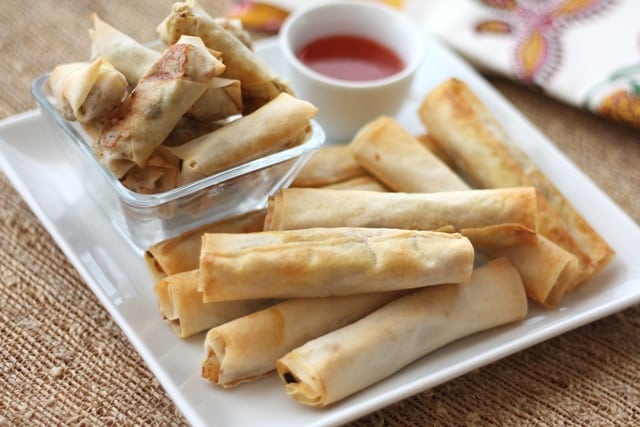
For many, the mention of lumpia immediately conjures images of golden-brown, sizzling rolls emerging from hot oil. The traditional method of deep-frying yields an unparalleled crispiness – a delicate wrapper that shatters with each bite, giving way to a warm, flavorful filling. This sensory experience is a cornerstone of Filipino cuisine, making classic fried lumpia a beloved choice for any occasion.
Achieving that perfect crunch requires attention to detail. The process begins with carefully assembling the rolls, ensuring the filling is not overpacked (about two tablespoons per wrapper is ideal) to prevent bursting during frying. Proper sealing is paramount; a little water or beaten egg along the wrapper's edge creates a secure bond, keeping the delicious contents safely inside.
When it comes to frying, the oil's temperature is critical. Heat vegetable oil to a medium-high temperature, around 350°F. If you don't have a thermometer, a good indicator is when a small piece of wrapper sizzles immediately upon contact. Frying in small batches is essential to avoid crowding the pan, which can drop the oil temperature and result in greasy, rather than crispy, lumpia. Cook until they are uniformly golden-brown, typically 3-5 minutes per batch. Once fried, drain them on a wire rack to allow excess oil to drip away, preserving that coveted crispness. While the frying process can take a bit longer – roughly 30 minutes for preparation and another 15-20 minutes for cooking – the reward is a truly authentic and incredibly satisfying culinary experience. For a deeper dive into mastering this traditional art, refer to our guide on
Master Crispy Filipino Lumpia: Essential Tips & Classic Recipe.
Baked Filipino Lumpia: A Modern Twist for Busy Lives
While the allure of fried lumpia is undeniable, the desire for convenience and a lighter option has led many home cooks to embrace the *baked Filipino lumpia*. This method offers a fantastic alternative, allowing you to enjoy the same beloved flavors with less oil and a streamlined cooking process. It’s perfect for those busy weeknights when you crave homemade comfort food without the extensive cleanup or the time commitment of deep-frying.
The primary advantage of baked lumpia lies in its efficiency. You can roll a large batch of lumpia in advance, storing them in the refrigerator or freezer until you're ready to cook. Then, instead of standing over a hot stove frying individual batches, you simply arrange them on a baking sheet and let the oven do the work. This hands-off approach frees you up to prepare accompanying dishes, like a fresh garden salad, while your lumpia bakes to golden perfection.
Baking also presents a healthier profile, significantly reducing the amount of added fat. To achieve a satisfying crispiness in the oven, a light spray of cooking oil or a gentle brush of oil over each rolled lumpia before baking can make a big difference. Preheat your oven to a higher temperature, typically around 400°F (200°C), and bake for 20-25 minutes, flipping them halfway through to ensure even browning and a consistent texture. While the crispiness might be slightly different from its deep-fried counterpart, baked lumpia still delivers a delightful texture and all the savory flavors you expect.
Crafting the Perfect Filling: Versatility and Flavor
The heart of any lumpia lies in its filling, and this is where you can truly get creative. The traditional choice often features ground pork, which provides a rich, savory base. However, the beauty of lumpia is its adaptability. For those seeking lighter options, ground turkey or chicken work exceptionally well, offering a leaner yet equally delicious alternative. For seafood lovers, incorporating fresh shrimp into the mix adds an incredible depth of flavor that many find irresistible.
Beyond the protein, a vibrant medley of vegetables adds texture, color, and essential nutrients. Carrots and green beans are classic additions, contributing a subtle sweetness and crunch. Bell peppers, whether red, green, or yellow, can introduce a beautiful hint of sweetness and a pop of color. Cabbage, finely shredded, is another common and welcome inclusion. For an extra layer of umami and a satisfying bite, fresh mushrooms are an excellent choice, providing a lovely contrast to the meat.
To elevate the texture, consider adding water chestnuts or jicama. These ingredients are game-changers, providing an unmistakable refreshing crunch that truly sets lumpia apart. If these are hard to find, diced cucumber can offer a fresh snap, though the texture won't be quite the same.
The seasoning is what ties all these ingredients together. A foundational mix typically includes soy sauce for umami, a touch of oyster sauce for added depth, minced garlic and onion for aromatic warmth, and a good seasoning of ground black pepper and salt. Mixing these ingredients thoroughly ensures every bite is bursting with well-balanced flavor. Don't be afraid to experiment with your ratios and even try pre-sautéing some of the harder vegetables like carrots or celery to soften them slightly and deepen their flavor before mixing them into the raw meat.
Mastering the Roll: Techniques for Both Methods
Regardless of whether you choose to fry or bake your lumpia, the rolling technique remains consistent and crucial for both success and presentation. Start by laying a lumpia wrapper on a flat surface, with one corner pointing towards you like a diamond. This orientation makes the rolling process intuitive.
Place about two tablespoons of your prepared filling near the corner closest to you, shaping it into a compact log. Avoid overfilling, as this can lead to wrappers tearing or bursting during cooking. Fold the bottom corner tightly over the filling, then fold in both side corners. Continue to roll the wrapper upwards, away from you, keeping the roll as tight as possible. A tight roll ensures a compact lumpia that cooks evenly and maintains its shape.
Finally, brush the last remaining corner with a little water or a beaten egg. This acts as a "glue," sealing the lumpia securely. Repeat this process until all your filling is used, and a mountain of perfectly rolled lumpia awaits its fate, whether in hot oil or a preheated oven. Proper rolling is the secret to a neat, professional-looking lumpia that holds its integrity through cooking.
Serving and Savoring Your Lumpia Creations
Once your lumpia, be it baked or fried, emerges golden and irresistible, it's time for the final, most enjoyable step: serving. Lumpia is almost always accompanied by a dipping sauce, which adds another layer of flavor and moisture. Classic choices include sweet chili sauce, a tangy blend of soy sauce and vinegar (often with minced garlic and chili flakes), or the distinctly Filipino banana ketchup. Each offers a unique complement to the savory filling, allowing you to customize your tasting experience.
Lumpia can stand alone as a fantastic appetizer or snack, but it also pairs beautifully with other dishes to create a more complete meal. As mentioned earlier, a crisp garden salad offers a refreshing counterpoint to the rich flavors of the lumpia. For a truly hearty meal, serving lumpia alongside a steaming bowl of white rice is a traditional and satisfying combination that many Filipinos cherish. Don't forget to serve them piping hot to fully appreciate their texture and flavor.
Conclusion
Whether you lean towards the classic, deep-fried crunch or prefer the modern convenience and lighter profile of *baked Filipino lumpia*, one thing is certain: these savory spring rolls are a culinary delight that consistently brings joy to the table. The traditional method offers an unparalleled crispiness and a taste of authentic Filipino heritage, perfect for special occasions. Meanwhile, the baked version provides a practical, healthier alternative for everyday meals, proving that you don't have to sacrifice flavor for convenience. Experiment with different fillings, master your rolling technique, and choose the cooking method that best fits your lifestyle. Whichever path you take, you're guaranteed to create a dish that will have your family and friends asking for seconds.