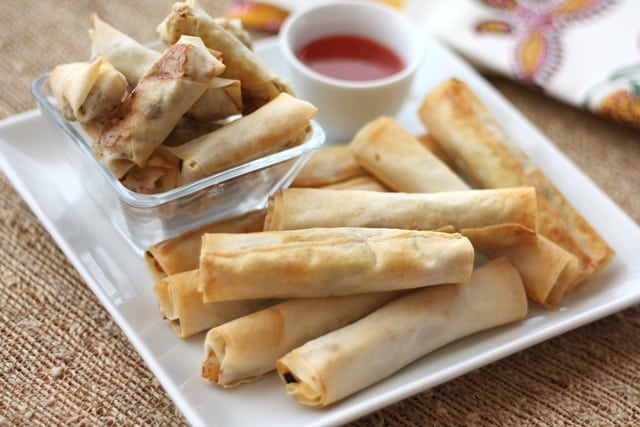
Master Crispy Filipino Lumpia: The Essential Guide to Baking Perfection
There are few culinary delights that capture hearts quite like Filipino Lumpia. These irresistible, crispy spring rolls, bursting with savory fillings, have a universal appeal that makes them a staple at celebrations, family gatherings, and everyday dinners alike. While the traditional deep-fried method yields that iconic crunch, many home cooks are discovering the joy and convenience of making baked Filipino lumpia – a revelation that streamlines the process without sacrificing flavor or that coveted crispy texture.
For years, the sheer thought of frying batches of lumpia often relegated this beloved dish to special occasions. The time commitment, the oil splatters, and the cleanup could be daunting. However, with a smart adaptation, you can now enjoy these perfect little bites of heaven more frequently, making them a regular, stress-free addition to your meal rotation. Imagine serving a piping hot plate of golden lumpia alongside a fresh garden salad, all prepared with minimal fuss. This article will guide you through mastering the art of crispy lumpia, with a special focus on achieving incredible results through baking.
The Anatomy of a Perfect Lumpia Filling: Flavor & Texture
At the heart of every great lumpia is a well-balanced, flavorful filling. The classic choice features ground pork, offering a rich and savory base that pairs beautifully with a medley of finely diced vegetables. However, the beauty of lumpia lies in its versatility, allowing for creative adaptations to suit any preference or dietary need.
- Protein Powerhouse: While ground pork remains the traditional favorite, don't hesitate to experiment. Ground turkey or chicken offer lighter alternatives without compromising on taste. For seafood lovers, the addition of fresh, finely chopped shrimp can elevate the flavor profile significantly, adding a delicate sweetness and depth.
- Vegetable Medley: Carrots and green beans are classic additions, providing vibrant color, essential nutrients, and a pleasant crunch. Feel free to substitute or augment these with other vegetables like finely shredded cabbage, bell peppers (which can add a touch of sweetness), or even finely diced celery for an aromatic base. Using fresh vegetables over canned ones, whenever possible, will undoubtedly enhance the overall taste and texture of your lumpia.
- The Crunch Factor (Optional but Recommended): For an extra layer of textural delight, consider incorporating water chestnuts or jicama into your filling. These ingredients provide a unique, juicy snap that truly sets homemade lumpia apart. If these are hard to find, finely diced cucumbers can offer a fresh, crisp element, though the texture won't be quite the same.
- The Flavor Foundation: The magic truly happens when you bring all these components together with the right seasonings. A blend of soy sauce and oyster sauce forms the umami core, while ground black pepper and a touch of salt balance the flavors. Ensure all ingredients are thoroughly mixed to guarantee an even distribution of taste in every bite.
Beyond the filling, the wrapper is paramount. Authentic lumpia wrappers are specifically designed to crisp up beautifully. If these are unavailable, spring roll wrappers are a good substitute. Phyllo dough can also be used in a pinch, but be aware that it will yield a different, more delicate texture.
Mastering the Roll: The Art of a Tight & Crispy Shell
Achieving perfectly crisp lumpia, whether baked or fried, hinges significantly on how meticulously they are rolled. A tightly wrapped lumpia will hold its shape, prevent the filling from leaking, and cook more evenly, resulting in that desirable golden-brown exterior.
- Prepare Your Workspace: Lay a lumpia wrapper on a clean, flat surface, positioning it like a diamond with one corner pointing towards you.
- Portion the Filling: Place approximately two tablespoons of your prepared filling near the corner closest to you. Shape it into a compact, even log. Overfilling is a common mistake that can lead to bursting during cooking, so resist the urge to add too much.
- The First Fold: Fold the bottom corner of the wrapper tightly over the filling, tucking it in snugly.
- Fold the Sides: Next, fold in both the left and right side corners towards the center, creating a neat, rectangular package.
- Roll It Up: Continue rolling the lumpia tightly upwards, away from you, until you have almost reached the final corner. The tighter you roll, the crispier your lumpia will be and the less likely it is to unravel.
- Seal the Deal: Dip your finger in a small bowl of water or beaten egg and lightly brush the last corner of the wrapper. This acts as a 'glue,' sealing the lumpia securely. Repeat this process for all your wrappers, creating an impressive batch ready for cooking.
Don't get discouraged if your first few rolls aren't perfect; practice makes perfect! Soon, you'll be assembling dozens of uniform lumpia with ease. This assembly line approach also makes meal prep efficient, allowing you to Streamline Dinner: Baked Filipino Lumpia for Busy Evenings.
Baked vs. Fried: The Ultimate Convenience & Crunch Debate
This is where the magic of modern adaptation comes into play. While the deep-fried lumpia holds a special place in culinary tradition, offering an undeniable crunch, the method of preparing baked Filipino lumpia offers significant advantages, especially for busy home cooks.
The Allure of Baking:
- Streamlined Process: One of the biggest wins for baking is the ability to cook an entire batch simultaneously. Instead of standing over a hot stove, frying a few lumpia at a time, you can pop a tray of lumpia into the oven and free up your hands to prepare other elements of your meal, like a fresh salad or a dipping sauce.
- Less Mess, Less Oil: Baking eliminates the need for large quantities of hot oil, reducing splashes, grease, and the often-dreaded task of oil disposal. This makes for a cleaner kitchen and a more pleasant cooking experience.
- A Healthier Alternative: By using less oil, baked lumpia presents a lighter option, appealing to those who are conscious of their fat intake without wanting to forgo flavor.
- Achieving That Crisp: So, can baked lumpia truly achieve a satisfying crunch? Absolutely! The trick is in the preparation.
Tips for Crispy Baked Lumpia:
- Preheat Thoroughly: Ensure your oven is fully preheated to a high temperature, typically around 400-425°F (200-220°C). A hot oven is crucial for immediate crisping.
- Lightly Oil: Before baking, lightly brush each lumpia with a neutral oil (like vegetable or canola oil) or give them a quick spritz with cooking spray. This thin layer of fat aids in browning and crisping.
- Single Layer: Arrange your lumpia in a single layer on a baking sheet, ensuring they don't touch. Crowding the pan can lead to steaming instead of baking, resulting in a soggy texture.
- Flip for Evenness: Bake for 15-20 minutes, flipping them halfway through, until they are golden brown and uniformly crispy on all sides. Keep an eye on them, as oven temperatures can vary.
While the texture of deep-fried lumpia has a unique, almost ethereal lightness, the crispiness achieved through baking is wonderfully satisfying and delivers a very close experience with significantly fewer drawbacks. To delve deeper into this comparison, check out our article on Filipino Lumpia: Baked Convenience vs. Classic Fried Crunch.
Tips for Lumpia Perfection (and Beyond!)
- Make-Ahead Marvel: Lumpia are fantastic for meal prep. You can roll them in advance and store them, unbaked, in the refrigerator for a day or two, or freeze them for longer storage. To freeze, arrange them in a single layer on a baking sheet until solid, then transfer to an airtight container or freezer bag. Bake or fry directly from frozen, adding a few extra minutes to the cooking time.
- Dipping Sauces are Essential: Lumpia simply isn't complete without a delectable dipping sauce. Classic choices include a sweet chili sauce, often store-bought for convenience, or a homemade spiced vinegar dip (vinegar with minced garlic, shallots, and chili). A simple soy sauce and calamansi (or lime) mixture is also a popular choice.
- Serving Suggestions: While often served as an appetizer, lumpia can easily be the star of your meal. Pair them with steamed rice for a fulfilling main course, or as suggested earlier, alongside a fresh, vibrant garden salad for a balanced and delicious dinner.
- Creative Variations: Don't be afraid to experiment with your fillings. Try different ground meats (beef, lamb), incorporate different herbs and spices, or explore completely vegetarian options with tofu, shiitake mushrooms, and various vegetables.
Conclusion
Mastering crispy Filipino Lumpia, especially through the efficient method of baking, opens up a world of culinary convenience and delicious possibilities. From understanding the perfect balance of ingredients in your savory filling to perfecting the tight roll and achieving that golden crunch in the oven, each step contributes to an unforgettable culinary experience. Whether you're a seasoned lumpia enthusiast or trying your hand at this Filipino favorite for the first time, embracing the art of baked Filipino lumpia allows you to enjoy these beloved spring rolls more often, making weeknight dinners and casual get-togethers equally special. So go ahead, roll up your sleeves, and get ready to impress your family and friends with a batch of perfectly crispy, incredibly flavorful homemade lumpia!
