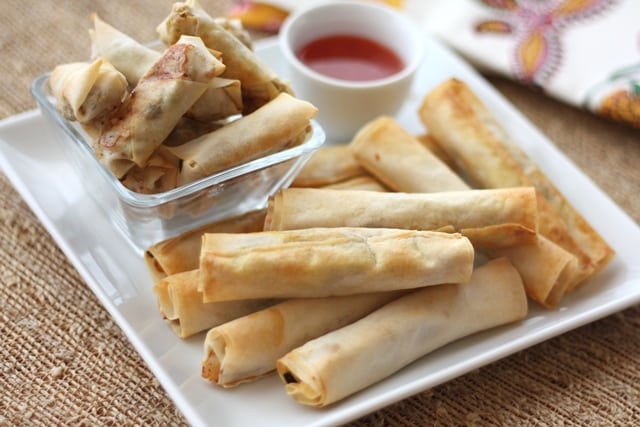
Streamline Dinner: Baked Filipino Lumpia for Busy Evenings
Few dishes evoke a sense of home, celebration, and pure culinary delight quite like Filipino Lumpia. These irresistible spring rolls, with their savory filling encased in a delicate, crispy wrapper, have long been a beloved staple, gracing everything from festive gatherings to simple family meals. While the classic deep-fried version holds a special place in our hearts for its unparalleled crunch, the thought of standing over a hot pan, managing oil splatters, and frying in batches can often deter even the most ardent fans on a busy weeknight.
Enter the game-changer: baked Filipino lumpia. What if you could enjoy all the incredible flavors and satisfying texture of this cherished dish, but with significantly less fuss, less mess, and a healthier profile? The baked approach offers exactly that – a smart, streamlined solution that brings this family favorite to your dinner table with unprecedented ease, making it perfect for those evenings when time is precious but quality and flavor are non-negotiable. It’s an adaptation that keeps the essence of lumpia intact while embracing modern kitchen convenience.
Why Baked Lumpia is Your Weeknight Dinner Hero
The transition from frying to baking for Filipino lumpia isn't just a minor tweak; it's a complete revolution in convenience and versatility. Here’s why embracing baked Filipino lumpia will transform your dinner routine:
- Unrivaled Convenience: The most significant advantage is the drastic reduction in active cooking time. Instead of individually frying batches and monitoring oil temperature, you simply arrange your rolled lumpia on a baking sheet and let the oven do the work. This frees you up to prepare accompanying dishes, like a fresh garden salad or steamed rice, allowing for a truly piping hot, complete meal served all at once.
- A Healthier Alternative: Traditional deep-frying involves submerging lumpia in a significant amount of oil, leading to a higher fat content. Baking, on the other hand, requires only a light brush of oil on the wrappers to achieve a golden, crisp exterior. This makes baked lumpia a guilt-free indulgence that doesn't compromise on flavor.
- Mess-Free Cooking: Bid farewell to oil splatters, greasy stovetops, and the lingering smell of fried food. Baking contains the cooking process within the oven, making cleanup a breeze and preserving the freshness of your kitchen.
- Perfect for Meal Prep: One of the brilliant aspects of baked lumpia is its make-ahead potential. You can prepare the filling and roll dozens of lumpia in advance, freezing them raw. Then, on a busy evening, simply pop them into the oven straight from the freezer (perhaps adding a few extra minutes to the baking time). This forethought means a delicious homemade meal is always just an oven-preheat away.
- Consistent Results: Achieving perfectly golden and evenly cooked lumpia can be tricky with frying. Baking tends to offer more uniform heat distribution, leading to consistently cooked lumpia that are beautifully browned and crisp on all sides. For a deeper dive into the nuances of preparation methods, explore the differences between Filipino Lumpia: Baked Convenience vs. Classic Fried Crunch.
Crafting Your Perfect Baked Lumpia Filling
The heart of any great lumpia lies in its savory filling. While baking simplifies the cooking method, the filling remains the star, allowing for endless customization to suit your taste and what you have on hand. The foundational flavors are what truly make Filipino lumpia unforgettable.
Begin with your protein of choice. Ground pork is the undisputed classic, offering a rich, robust flavor. However, for a lighter option or dietary preference, ground turkey or chicken work beautifully. For those seeking a vegetarian or vegan version, a hearty mix of finely chopped mushrooms, tofu, or even plant-based ground meat substitutes can create an equally delicious experience.
Next come the vegetables, which add texture, color, and essential nutrients. Finely diced carrots and green beans are traditional staples, lending a touch of sweetness and vibrant crunch. Don't stop there – consider adding finely minced celery, onions, and garlic for aromatic depth. For an elevated flavor and texture profile, incorporating fresh shrimp and fresh mushrooms instead of canned counterparts can truly make a difference, as their natural sweetness and umami notes shine through.
For that quintessential crunch that elevates lumpia from good to extraordinary, water chestnuts or jicama are highly recommended. These provide a fresh, crisp snap that contrasts beautifully with the softer filling. If these aren't readily available, finely diced bell peppers can offer a sweet crunch, or even cucumbers for a fresh snap, though the unique texture of water chestnuts or jicama is hard to replicate.
Finally, the seasoning is where all the flavors truly come together. A balanced blend of soy sauce for umami, oyster sauce for depth and a hint of sweetness (omit for vegan versions), freshly ground black pepper, and a touch of salt will bind everything into a cohesive, mouthwatering mixture. For an extra layer of flavor, a dash of sesame oil or a pinch of ginger can be delightful additions, infusing your lumpia with an aromatic complexity.
The Art of Rolling and Baking for Success
Mastering the roll is crucial for any lumpia, baked or fried, ensuring a compact filling and a satisfying crunch. This is also where you can prevent potential bursting during cooking. For a comprehensive guide to lumpia preparation, including detailed rolling techniques, consider checking out Master Crispy Filipino Lumpia: Essential Tips & Classic Recipe.
Here’s how to perfect your baked lumpia:
- Choose Your Wrappers Wisely: Authentic lumpia wrappers, often found in the frozen section of Asian grocery stores, are ideal for their thinness and ability to crisp up beautifully. Spring roll wrappers can be a good substitute, but phyllo dough, while crispy, will yield a different texture. Ensure your wrappers are thawed but still pliable; keep them covered with a damp cloth as you work to prevent them from drying out.
- The Perfect Fill: Lay a wrapper on a flat surface in a diamond shape with one corner pointing towards you. Place about 2 tablespoons of your prepared filling near the corner closest to you, shaping it into a compact log. Avoid overfilling, as this is a common culprit for bursting during cooking.
- Roll with Precision: Fold the bottom corner over the filling, tucking it tightly. Then, fold in both side corners towards the center. Continue rolling tightly upwards, away from you, creating a snug cylinder. Before you reach the final corner, brush it lightly with water or a beaten egg to create a secure seal that will prevent leakage.
- Pre-Baking Preparation: Arrange your rolled lumpia in a single layer on a baking sheet lined with parchment paper. This prevents sticking and promotes even cooking. Here's a critical step for baked lumpia: lightly brush each lumpia with a thin layer of neutral-flavored oil (like vegetable, canola, or grapeseed oil). This oil coating is what helps the wrappers turn beautifully golden and wonderfully crispy in the oven, mimicking some of the effects of frying without the deep-fat submersion.
- Bake to Perfection: Preheat your oven to a hot temperature, typically around 400-425°F (200-220°C). Bake for approximately 20-30 minutes, or until the lumpia are golden brown and crisp. For even browning, flip them halfway through the cooking time. The exact time may vary depending on your oven and the thickness of your lumpia.
Serving Suggestions and Customization
Baked Filipino lumpia, fresh from the oven, are a truly delightful sight and smell. While they are a complete meal component on their own, pairing them with the right accompaniments elevates the experience.
Dipping Sauces: No lumpia experience is complete without a complementary dipping sauce. The classic pairing is a sweet chili sauce, which provides a delightful contrast to the savory filling. Other popular choices include a simple vinegar-garlic dip, a tangy plum sauce, or even a spicy sriracha mayo for those who enjoy an extra kick. Consider offering a small selection to cater to different preferences.
Complementary Sides: As noted, the beauty of baking lumpia is the ability to prepare a fresh, crisp garden salad while they cook. Steamed jasmine rice is always a welcome addition, turning lumpia into a more substantial meal. For a truly Filipino feast, serve them alongside pancit (Filipino noodles) or adobo. Don't forget a side of pickled vegetables like atchara for a refreshing counterpoint.
Dietary Adaptations: The versatility of lumpia extends to dietary needs. Beyond the protein variations mentioned, you can experiment with gluten-free spring roll wrappers (ensure they are oven-safe) if available. For those mindful of sodium, opt for low-sodium soy sauce. The beauty of homemade lumpia is the control you have over every ingredient, making it easy to tailor to specific health goals or preferences.
Freezing Baked Lumpia: If you've baked a large batch and have leftovers (a rare occurrence!), baked lumpia can be frozen after cooling completely. Reheat them in the oven or air fryer for a quick snack or meal, regaining much of their crispness.
Conclusion
Baked Filipino lumpia represents the perfect fusion of tradition and modern convenience. It’s a testament to how beloved recipes can be thoughtfully adapted to fit the pace of contemporary life without sacrificing their soul. By opting for baking, you unlock a healthier, less messy, and more time-efficient way to enjoy these irresistible savory rolls, transforming them from an occasional indulgence into a regular, cherished weeknight dinner option. So, preheat your oven, gather your ingredients, and prepare to delight your family with a fresh batch of golden, crispy baked Filipino lumpia – a streamlined dinner solution that’s big on flavor and light on fuss.
